The real cost of duplicate customer records
By Precipitate · 9 November 2026
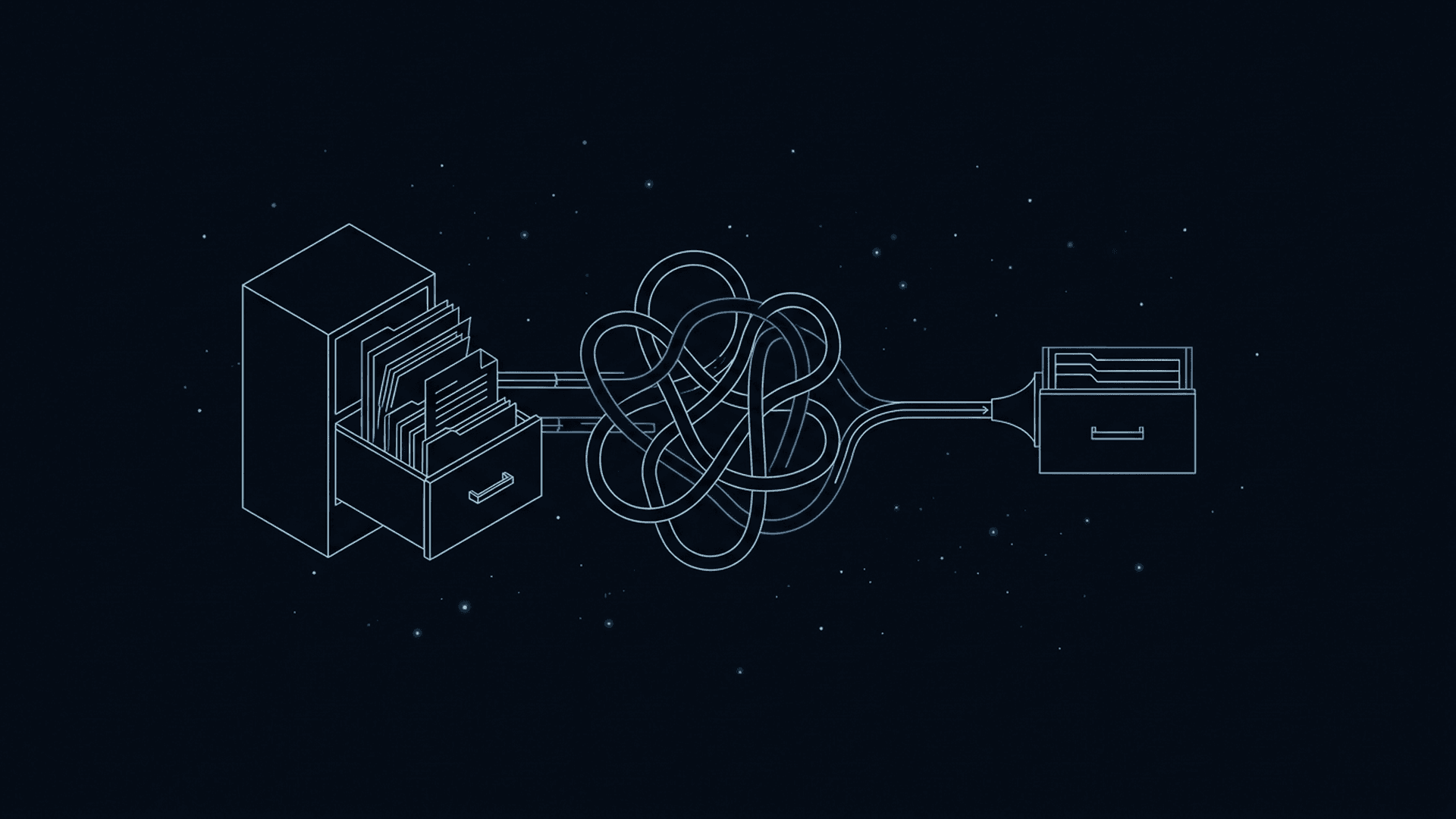
The cost of duplicate customer records is the labor spent finding, comparing, correcting, and working around them. The larger cost appears when staff act on conflicting records, send the wrong message, miss account history, or make decisions from unreliable reports.
Duplicate records turn simple work into investigation
A customer calls to change an appointment. The employee searches by name and finds several records. One has the current phone number. Another has the booking. A third contains the latest payment note. Before changing anything, the employee must decide which record is correct.
That decision interrupts the task. The employee checks email addresses, phone numbers, addresses, dates, and notes. If the records still conflict, someone else may need to confirm the answer. A small update becomes an investigation.
This burden appears across operational work. Staff see it while preparing a delivery, answering a billing question, confirming a reservation, or following up on a lead. The cleanup time is easy to miss because it is scattered across ordinary tasks.
The visible cleanup is only part of the cost
Manual cleanup has an obvious cost. Someone reviews the records, chooses a primary record, transfers useful history, and removes or marks the duplicate. That work may require care because deleting the wrong record can erase information that another system still needs.
The less visible cost comes before cleanup. Staff may call a customer twice, send conflicting reminders, or repeat a question the customer already answered. A customer may receive separate invoices or appear to have an unpaid balance when payment sits under another record.
Duplicate records also weaken reporting. Customer counts, lead counts, repeat purchase reports, and campaign results may all be wrong. An owner can spend time explaining a strange report before discovering that the report reflects duplicate records rather than business activity. This resembles the wider problem covered in what stale CRM data costs a brokerage: unreliable records make routine decisions harder.
Duplicates spread through connected tools
A duplicate rarely stays inside one system. A contact may pass from a website form into a CRM, scheduling tool, billing system, email platform, and reporting database. If the first system creates a new record, later tools may copy that record without knowing another version exists.
Different tools also identify customers differently. One tool may rely on an email address. Another may use a phone number or internal account ID. Shared inboxes, changed phone numbers, spelling differences, and separate family members can make legitimate records look alike. The reverse also happens: records for the same customer look unrelated.
This is why a simple delete rule is risky. Matching only by name can merge different people. Matching only by email can miss customers who use several addresses. The system needs clear identity rules, a record of why a match was proposed, and a safe path for uncertain cases.
Manual deduplication creates its own queue
Many businesses handle duplicates when someone notices them. The employee adds a note, sends a message to an administrator, or leaves the records for later. The work competes with customer requests and daily operations, so the queue grows quietly.
Periodic cleanup can reduce the backlog, but it does not stop the cause. New duplicates continue to enter through forms, imports, integrations, and manual entry. Staff repeat the same comparisons whenever the cleanup runs.
A useful cost model includes the work that creates the duplicate, the work that detects it, and the work that repairs it. It should also include rework caused by a wrong merge. Manual month-end reconciliation has a similar pattern: small record problems accumulate until someone must trace them across systems.
Automation should propose, verify, and escalate
A safer system checks new and changed records against existing customer data before creating another record. It can normalize phone numbers, compare email addresses, inspect account identifiers, and consider recent activity. It can then choose among clear actions: attach the event to an existing record, create a new record, or request human review.
The human review matters. Some cases contain real ambiguity. Family members may share contact details. A business may have several locations under one billing account. A former employee may have used a shared company email. Software should not merge those records without enough evidence.
An agentic system can also check its work after an action. It can confirm that linked bookings, invoices, messages, and notes remain attached to the intended customer. If a check fails, it can stop and escalate. How an AI agent checks its own work explains this pattern in more detail.
Automation still needs guardrails. Merge permissions should be narrow. Every change should leave an audit trail. Reversal should be possible where the underlying tools support it. High-risk records, such as records tied to payments or legal documents, may always require a person.
Prevention starts at record creation
Cleanup receives attention because the backlog is visible. Prevention usually has a better operating effect. The business should define which system owns the customer identity and which fields can establish a match. Connected tools should pass a stable customer ID whenever possible.
Forms also need predictable rules. A form should search for an existing customer before creating a record. Imports should be checked before they enter the live system. Integrations should report rejected records and uncertain matches instead of silently creating alternatives.
The right design depends on the workflow. A self-storage operator may identify a customer through a unit agreement, while an equipment rental business may need company, contact, and asset records. The automation questions for equipment rental operations show why record structure must follow the actual work.
Measure the manual status quo before changing it
Start with observation rather than a cleanup project. Ask staff to record every duplicate they encounter during normal work. For each case, capture where it appeared, how it was detected, which systems contained a record, and what action was needed.
Also record the interruption. Note whether the employee could resolve the case alone, needed another person, contacted the customer, or postponed the task. Track any downstream correction, such as resending a message, moving a payment, or fixing a report.
This produces a grounded view of the cost of duplicate customer records. It also reveals whether the main problem is data entry, imports, integration logic, or unclear ownership. This week, count the duplicate cases your staff touch and write down every system they must open to resolve each case.
Want this answered for your own business?
Get a straight answer →