What manual aftercare follow-up costs a med spa
By Precipitate · 30 October 2026
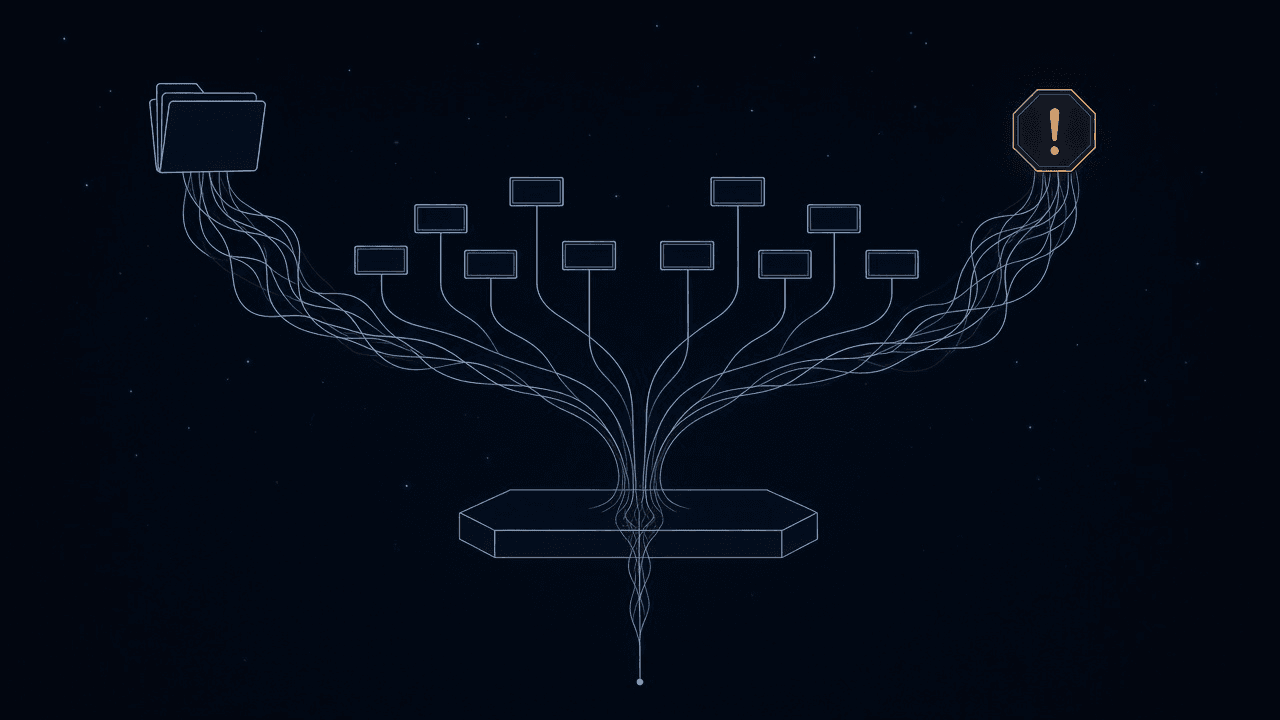
The cost of manual aftercare follow-up is the staff time, missed messages and treatment risk hidden inside each patient contact. For an independent med spa, the expense grows whenever staff copy instructions, check replies, answer repeated questions or reconstruct an incomplete record.
The visible work is only part of the cost
Manual aftercare often looks like a quick message after treatment. The full workflow is larger. A staff member must identify the treatment, find the correct instructions, select the right channel and confirm that the message reached the patient.
Replies create another queue. Some patients acknowledge the instructions. Others ask routine questions, send a photo or describe a symptom. Staff must decide which messages need a standard answer and which require a clinician. That decision cannot safely disappear into a crowded inbox.
The Nūr Med Spa guide describes a med spa as a medical practice with physician-supervised treatments that affect tissue below the skin surface. That medical context makes aftercare different from a generic appointment reminder. Instructions and escalation rules need clinical ownership.
Manual follow-up fragments the patient record
A patient may book by phone, ask a question through a direct message and receive instructions by text. The treatment record may sit in the practice management system. When those channels do not share status, staff become the connection between them.
That connection relies on memory and manual checks. Staff must determine whether instructions were sent, whether the patient replied and whether a clinician reviewed an exception. A completed task in one system may still leave an open conversation somewhere else.
The hidden cost appears during reconstruction. Someone searches messages, compares timestamps and updates the patient record after the fact. This is the same class of problem covered in how an AI agent processes an inbound email: reading a message is easy, but tying it to the correct record and next action requires context.
Treatment variation makes templates harder to manage
Aftercare is not one message. The Express Med Spa pricing menu includes injectables, laser treatments, chemical peels and skin treatments. Those categories can require different instructions, timing and escalation paths.
MedSpa 501 states that treatment plans can vary by product and treatment area. That variation means a template should not be selected from the appointment label alone. The workflow may need the exact service, treatment area and clinician-approved protocol.
Manual systems tend to scatter these details across saved replies, documents and individual staff habits. Updates then create version problems. A patient may receive an older instruction set because the person sending it copied the first template they found.
A sound process keeps clinician-approved instructions in one controlled source. Staff should know who can revise them and when a revision becomes active. Automation can select and send approved material, but it should not invent medical guidance.
The cost spreads beyond aftercare
The same staff members often answer consultation calls, respond to direct messages and handle membership renewals. Every manual aftercare check competes with that work. The cost is not only payroll time. It is the consultation that waits, the renewal that receives no follow-up or the phone call interrupted by another inbox alert.
Review requests add another repeated task. A fair workflow sends the same request under the same rules to every eligible patient. It should not screen patients by predicted satisfaction or delay a request because someone raised a concern.
Manual work also creates interruption cost. A person may open several systems to resolve one status question, then return to the original task. What answering the phone all day actually costs explains the same operating pattern: repeated interruptions reduce the time available for work that requires judgment.
A useful cost model starts with events, not guesses
Measure the workflow before assigning a cost. For each treatment type, record when follow-up should occur, where the instruction comes from and what counts as complete. Then record each manual touch: preparing the message, sending it, checking delivery and handling the reply.
Separate routine work from clinical work. A delivery failure or missing consent field may follow a defined operational path. A report of unexpected pain, swelling or another clinical concern needs a clinician-approved response and human review.
Add the consequences of delay. These can include repeated patient calls, staff searching across channels and missing documentation. Do not force uncertain consequences into a made-up financial estimate. Track the observable event first.
The same audit should cover consultation booking, membership renewals and review requests. What a good automation discovery phase should uncover describes how to map handoffs, exceptions and ownership before choosing software.
Automation should own the routine path and expose exceptions
A basic rule can send a message after an appointment. An agentic system goes further. It reads the treatment record, selects approved instructions, sends through the permitted channel and checks whether delivery succeeded. It can retry a defined failure or place the case in a staff queue.
Guardrails matter. The system should use approved content, write every action to a log and stop when required information is missing. Clinical language needs explicit limits. A system can route a symptom report, but a qualified person must decide what the symptom means and what care is appropriate.
The existing practice system should remain the source of truth where possible. Before any build, confirm what the existing practice system can expose through supported connections, exports or scheduled reports. A workflow that depends on brittle screen actions needs more monitoring and a clear fallback.
This week, take one treatment type and follow every aftercare message from appointment completion to final documentation. Count each staff touch, each system opened, each unanswered message and each case that required clinical judgment. Those observations are the real baseline cost.
Sources
Want this worked out for your own independent med spa or aesthetics clinic?
Get a straight answer →