How automated financing paperwork works at a dealership
By Precipitate · 11 October 2026
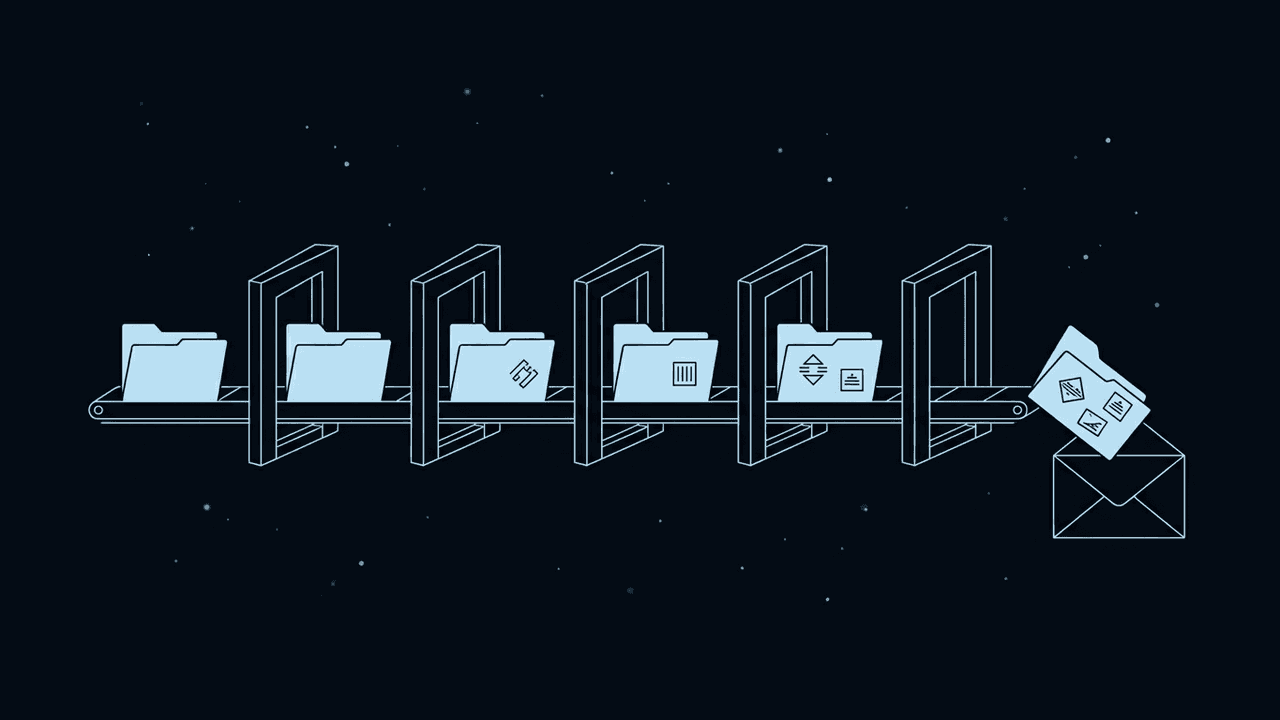
Automated financing paperwork at an equipment dealership works as a handoff, not a replacement: the credit application, the stips, the decision and the contract move from one step to the next without a person retyping the same customer and equipment details each time. The paperwork doesn't vanish. It just stops stalling in a stack on the F&I desk while everyone waits for a lender to call back.
What piles up in the F&I office
At a construction, ag or marine equipment dealer, a financing deal starts with a credit application taken on the spot, often standing next to the machine. Then come the stips: two years of tax returns, a personal financial statement, the trade-in title, the spec sheet on the piece being financed. Someone scans or faxes that folder to a lender, because the deal and inventory record in DIS, CDK Global Heavy Equipment, e-Emphasys or Charter Software stops at the sale. Financing usually still depends on a separate handoff to the lender unless an integration or API connects the DMS to the lender's systems.
From there it's a string of waits: the underwriter calls back asking for a missing document, and the decision comes back days later with a condition attached. Someone still has to draft the retail installment contract, chase down a signature, and get the file in for funding. None of that is complicated. It's slow, because each step depends on a phone picking up or an inbox getting checked, and the file sits idle between every one of those calls.
The workflow once it runs on its own
The same deal looks different once the financing step is automated. The application and its documents move through the process as data, not paper: an Equipment Finance API, as Sharpei describes it, retrieves the customer's profile, calculates payment terms, and triggers compliance checks the moment the application lands, instead of a person keying those same numbers into a second system by hand.
Uptiq, a vendor building AI agents for equipment lenders, splits that work into stages. One agent collects and structures the incoming documents. Another reads the tax returns and financial statements. A third applies the lender's credit policy and writes the risk narrative, then a fourth drafts the committee-ready memo for anyone who still needs to sign off. A qualifying small-ticket deal, a skid steer or a utility tractor within policy, can clear every one of those stages before a person ever opens the file.
Once the contract is approved, Sharpei notes that automated notifications and digital signatures let funding move in hours rather than the days a paper file takes to pass between lender, dealer and customer. The deal still carries an underwriter's name on the decision. What changes is how much human time it consumes along the way, not whether a person was ever involved in making it.
Where a person still has to sign off
Not every file is a qualifying small-ticket deal. Uptiq is specific about where its own auto-decisioning stops: anything that falls outside the lender's credit policy gets flagged for human review, with the reasoning attached, rather than pushed through anyway. For a dealer that's the large excavator deal with a thin credit file, or the trade-in that needs a walk-around appraisal instead of a formula. Deciding where that line sits before any of this runs matters as much as the automation itself. We've written separately about setting those limits before a deal file ever reaches an agent, and the same question applies to a financing workflow: what gets decided alone, and what gets routed to a person with the reasoning attached.
Even where a deal is in policy, the agents Uptiq describes keep running after the sale. The monitoring stage tracks covenant events, insurance lapses and renewal triggers on the booked loan, so a dealer or lender finds out about a problem from a system watching the file, not from a missed payment three months later.
Fitting into what the dealership already runs
None of this requires tearing out DIS, CDK Global Heavy Equipment, e-Emphasys or Charter Software. Uptiq says a single agent, intake or underwriting, can go live in as few as five business days, and a full multi-agent setup within thirty days, connecting to a lender's existing loan origination and servicing systems rather than replacing them. For a dealership the practical version of that is narrower: the deal and inventory record stays in the DMS you already run, and the financing workflow reads off it instead of asking the customer to answer the same questions on a second form.
How far that can go varies by lender. TurnKey Lender, a lending software vendor, says on its own site that its platform automates most routine loan management work, a claim worth reading as the vendor's own ceiling for its own customers rather than a guarantee for any specific dealership's financing desk. Financing paperwork is also only one of the repetitive jobs stacking up on a dealer's desk. The same pattern, information that already exists somewhere just needs to move without being retyped, shows up in parts availability lookups and in a rental counter's paperwork, which is why dealers running both retail and rental lots tend to ask the same question about equipment rental agreements.
One number to check first
Before automating anything, count how many times one finance deal crosses from your DMS into a lender's hands and back, by phone, fax or email, before the funds show up. Most dealers have never counted it, because the wait feels like background noise rather than cost. That number, not the lender's decisioning speed, is the actual size of the opening.
Sources
Want this worked out for your own construction, ag or marine equipment dealer?
Get a straight answer →